

Flag football on the rise locally

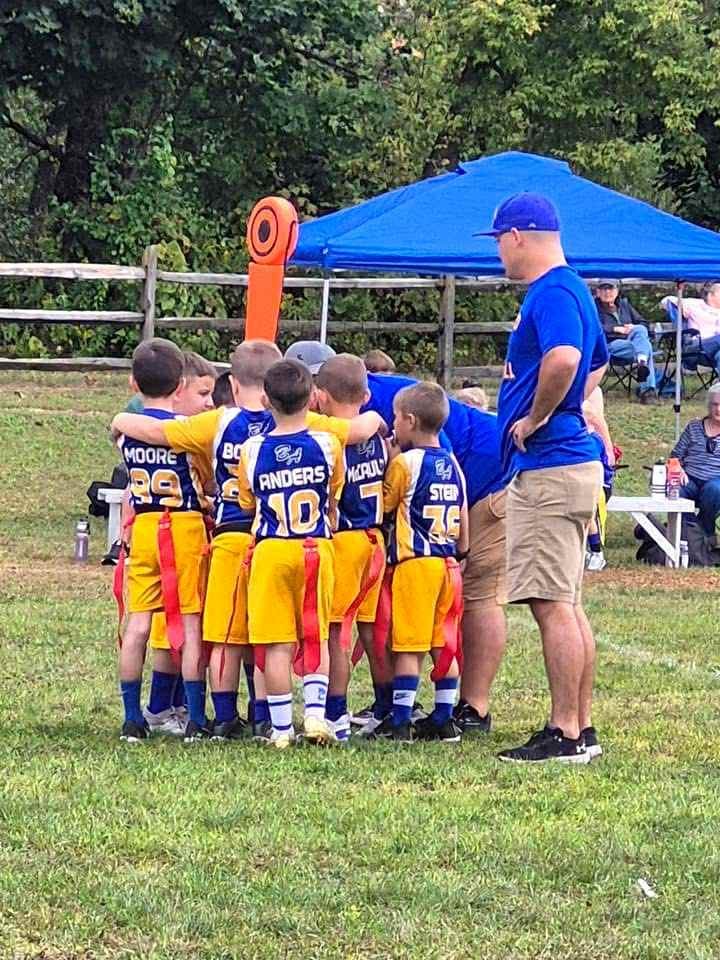
Growing up in nearby Tyrone, tackle football was a way of life for Brock Anders, president of the Bellwood-Antis Flag Football League.
Anders began playing tackle in Tyrone’s youth league in elementary school and continued all the way through a successful varsity career in the 2000s. But as time goes on, Anders has begun wondering if tackle football is the best option for every young athlete.
“The longer I get away from the game, the more I have changed my opinion on when a kid should begin tackle football. I will get some backlash on this, but I personally believe that a kid should play flag football over tackle as long as they want to,” said Anders, whose flag league functions as part of the Bellwood-Antis Youth Football League (BAYFL). “Realistically, we as parents shouldn’t be the ultimate decision makers. It is up to the kid/the players to decide when they want to play tackle football.”
It’s all about options and meeting kids where they are at, and as far as Anders can see, even good players can get by without starting tackle at an early age.
“This is a sticky subject to get into, but there is a reason we are seeing more and more flag football leagues and teams being created around the area,” he said. “Yes, tackle football is king, but I think the opinions on the sport at a young age vary from parent to parent and player to player. I’ve played with several athletes in high school who never played tackle football until junior high and they were some of the best players on the football field.”
Flag football leagues have begun flourishing locally over the last several years, and that could lead to a change in the way the game is taught in the area, even at traditional football powers like Bellwood-Antis and Tyrone.
Rachel Emigh, who’s a parent from Tyrone, has two sons who played flag football. She remembers before COVID when th Northern Blair Rec Center offered a flag league that was never quite the same following lockdowns. She feels that flag helps bridge the gap to get kids exposed to the game. “With a good coach, you can learn many things in flag football that will translate into tackle,” she said.
Zack McCaulley was a 1,000-yard rusher for Bellwood-Antis who graduated in 2010. He and his wife Tc have watched their two sons play flag and have had a positive experience, although they anticipate the boys ultimately moving to traditional tackle football. McCaulley understands that its beneficial for his kids to be playing flag, but he hopes to see in second grade if they are physically ready for tackling.
“Our decision to remain in flag or to play (traditional) football will be based on each one’s size, ability, and interest. If we believe they are physically ready and they want too, then we will confidently have them put on the pads,” said McCaulley.
However, unlike those who think it’s true preparation for tackle, McCaulley sees it differently.
“Flag football is a different game where bad fundamental football habits are common,” he said.
Parents like these present a solid cross section of the opinions surrounding the rise of flag football.

The Bellwood-Antis Youth Football League offers pre-k and kindergarten flag teams that are co-ed. They also offer 1st and 2nd grade co-ed teams, which play in the “Blair County League.”
According to Anders, the numbers have grown steadily since the league first began several years ago.
“When BAYFL began their flag football program, it was available to anyone in the Bellwood-Antis school district from age 4-7. We went from having just 2 teams of 12-14 players to now having over 80 athletes in our flag football program,” he said.
This year, for the first time there was a girl’s league for grades 3-6. They also help create opportunities for kids to cheer, as they have over 40 cheerleaders. But they continue making sure they create more opportunities for kids to play football at a young age without having to get physical. And they hope to continue increasing this over the next coming years.
For safety, officials make sure players always wear mouth guards so if they run into each other or if they just get hit in the mouth they will not get hurt from that aspect. One of the rules they have in the flag league to eliminate blocking, what they are allowed to do is get in the players way like a screen you would see in basketball, but they are not allowed to reach out to shove or move them, this makes sure that you are not shoving people onto the ground, this would make sure you aren’t injuring anyone.
“It is a fast-paced game, so players running into each other or ending up on the ground is going to happen,” said Anders. “We just try to do our best to limit it. The bumps and bruises are tough to avoid.”
The only thing that no one can avoid in any sport is bruises. They want to continue growing the girl’s league since it is now a sanctioned sport.
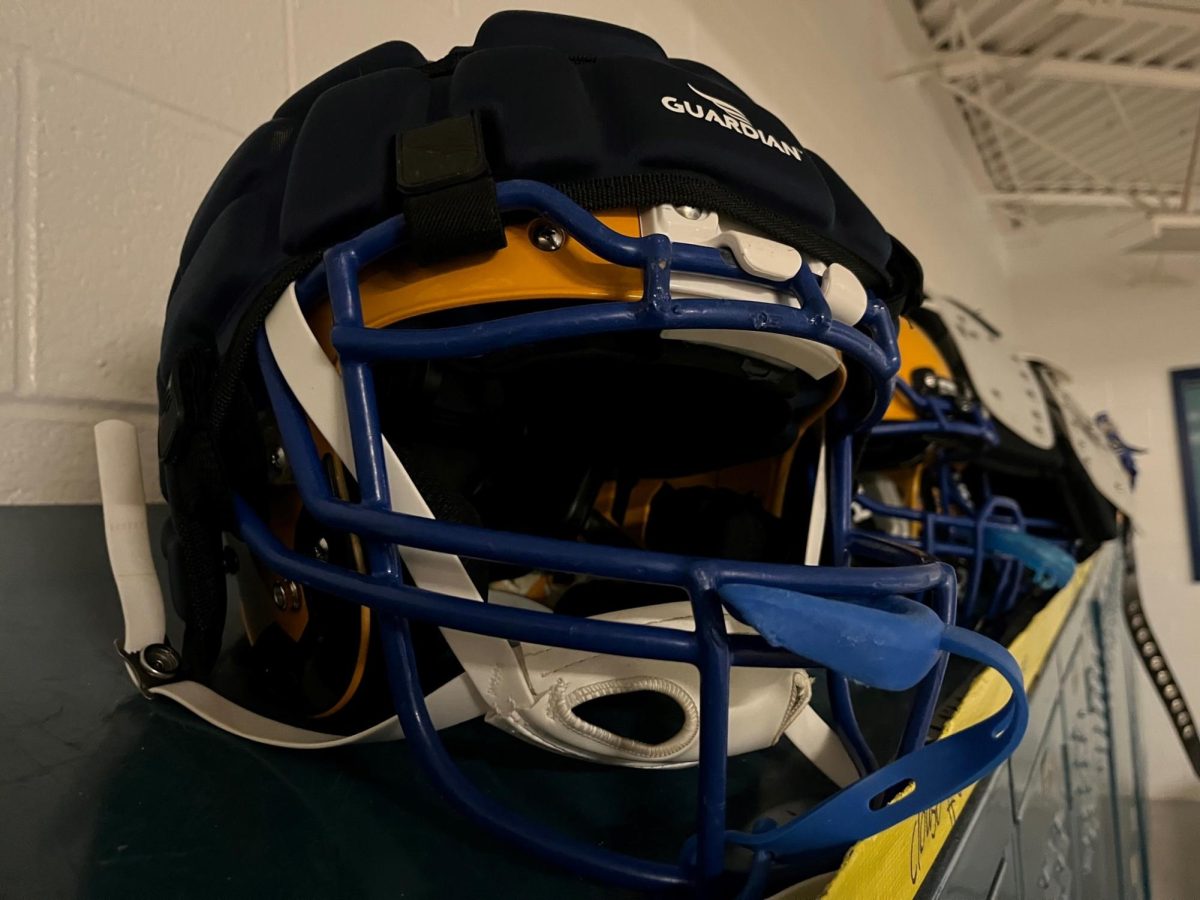
Although the flag leagues aim at limiting injuries from football to the absolute minimum, Coach Nick Lovrich, who coaches the Bellwood-Antis varsity team, believes it’s still possible to keep tackle football safe with the appropriate precautions.
Lovrich said that his team now limits contact in practice much more than in years past.
“It is very rare we do full speed tackle drills. We do a lot of tackling drills, but the actual contact is very minimal,” he said.
Improved gear that promotes player safety is another way B-A works to prevent injuries.
“About 3 years ago, we also purchased the Guardian helmet pads that help prevent concussions by softening the blow when there is a hit on the helmet,” said Lovrich.
B-A focuses on improving players health and making sure they stay healthy.
“As far as our medical staff goes, every athlete does a SWAY test at the beginning of the season to have a baseline score in case they get a concussion. If an athlete is diagnosed with a concussion there is a protocol they must follow to get back to normal participation,” Coach Lovrich said. “That protocol includes monitoring any symptoms they have. Once the symptoms start to go away, they start to do some exercises and then gradually progress back into contact. The trainer will monitor the athlete throughout this protocol.”
Coach Lovrich has a family history of playing football in Bellwood. He played in the BAYFL for East Antis before playing on the varsity team in high school.
“My brother and I both played. My nephew Cooper is on the varsity team now,” Coach Lovrich said. “My other nephew, Myles, plays youth, and my niece, Patty, plays flag football.”
Coach Lovrich thinks that tackle football helps kids develop as athletes, but that maybe it would be best to hold off on tackling until players are close to middle school age. Currently, local leagues begin tackle as early as second grade.
“It depends on the kid. Fourth or fifth grade is probably pretty good,” he said.
Coach Lovrich thinks that people should teach kids the right way of tackling, which would also help to limit injuries.
“I think we need to take precautions all the time. Gone are the days where you do full contact all the time,” he said.